The hunt · David · Letters to Japan · Keeping the line · The visit · Tosakin parts & ideal circle
The Tosakin, the Fish Food Bag, and David Salazar
In the early 1990s, a delivery driver in Manhattan picked up a bag of Hikari fish food, saw a flower on it, and figured the pellets inside were seeds. They were not seeds, and the flower was a fish. That fish was a Tosakin, and the man was David Salazar, and the long, stubborn road from that bag to the Tosakin in my tanks is a story I would be doing the hobby a disservice not to share.
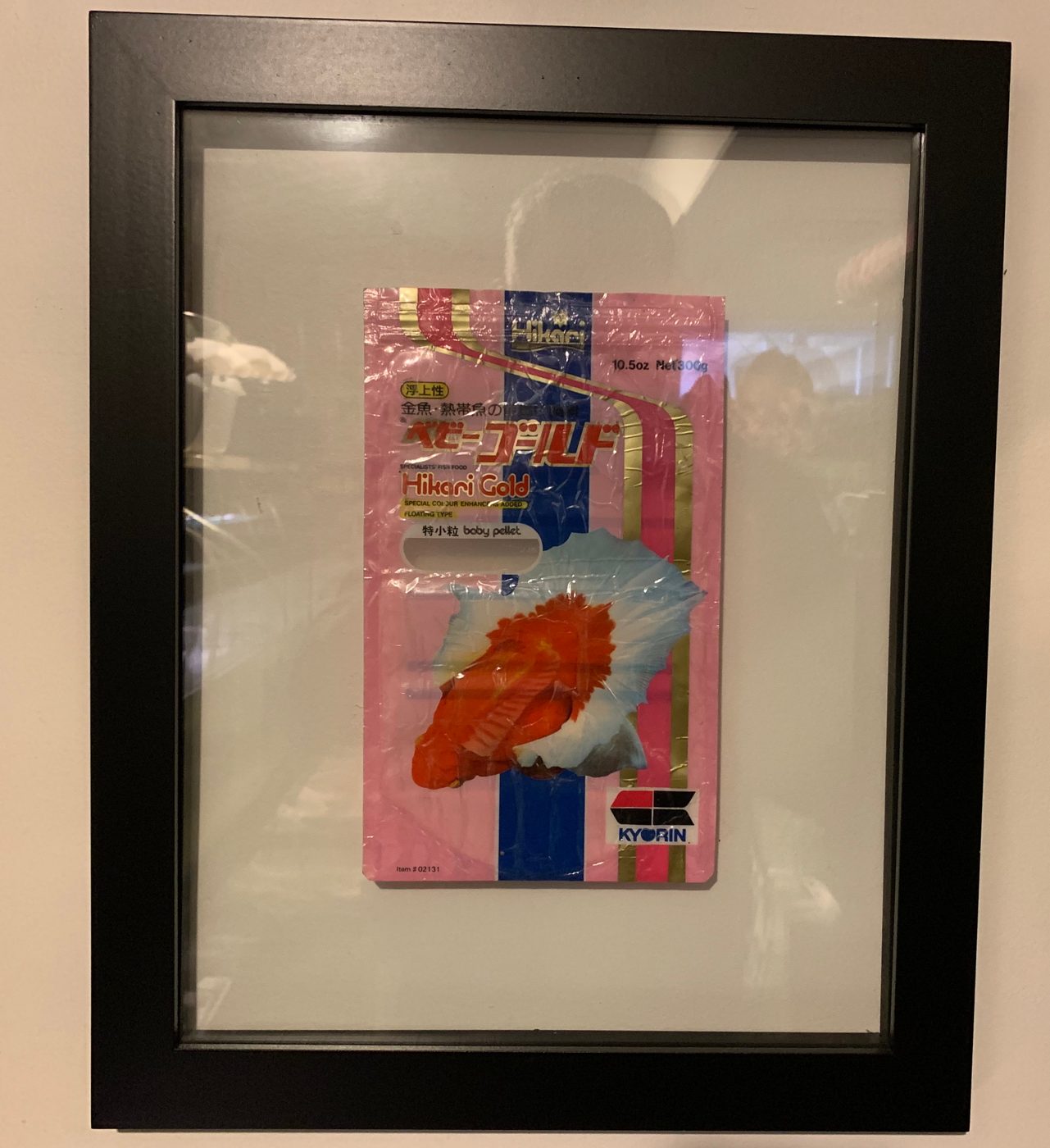
Goldfish keeping has two sides that fascinate me: science and culture. The science is genetics, diet, and water quality. The culture is the art, tradition, history, and lore that have carried goldfish through thousands of years. This is a culture story. It is a Tosakin tale, and the Tosakin is now one of my favorite varieties.
The Tosakin is a Japanese variety developed in the Tosa fief, which is now Kochi Prefecture. It is known for its caudal (tail) fin, which is fused in the center, spreads out horizontally from the body, comes forward up the body, and then flips back under on the leading ray.
The hunt
I did not have much interest in the variety until a fellow breeder said they were hard to find. I like a challenge, so I started digging. I came across a handful of articles on various websites and forums: the lore surrounding the fish, their special requirements, pictures, and so on. Not a ton of info out there, but enough to go on. They need bowls?!?! That cannot be right. They originated in Japan. Makes sense. Only six fish survived the war, and all of the existing fish are descendants of those original fish? Sounds romantic, but maybe a bit embellished; I’ll roll with it.
I reached out to Gary Hater to see if he knew anyone who had them; many goldfish hunts start and end with Gary. He pointed me to Jeff Hiller and Ted Thai. Ted has been keeping Tosakin for ages and was really helpful with information, but he is in Canada, and shipping across borders is difficult. Jeff proved fruitful, and I ordered a dozen or so juvenile fish.
My curiosity started to turn into an obsession, and I kept searching. If my delusions of grandeur were going to come to fruition, I would need more than one line to create the perfect Tosakin. I remembered a conversation on Instagram with someone who had Tosakin. Luckily, I had taken notes, because her account had vanished. She had bought her fish from someone named David Salazar and had shared his email address with me. I searched online and found some old posts on goldfish forums, but that was it: no website, no Facebook, no Instagram, no Aquabid, no eBay, nothing. Just an email address. I was doubtful it would work, but hey, why not?
In May 2018, I sent David a short note: I had his address from a friend whose account had since disappeared, and did he have any Tosakin available, and what did he sell them for? Two days later he wrote back. Yes, he had Tosakin for sale, about seven months old, 100% Japanese bloodline, and if I was still interested, let him know.
Yahtzee! We traded emails and texts for a bit, and then he asked if he could call me. A call? In this day and age? This guy is old school. I still remember it clearly: two strangers having a polite conversation, feeling each other out. Is this guy a scammer? Does he know what he is talking about? We talked about our fishkeeping backgrounds, tank sizes, breeding methods, and so on. It was clear David wanted to make sure his fish were going to a good home. I learned I was getting a lot more than some rando fish. These fish came with a fascinating history.
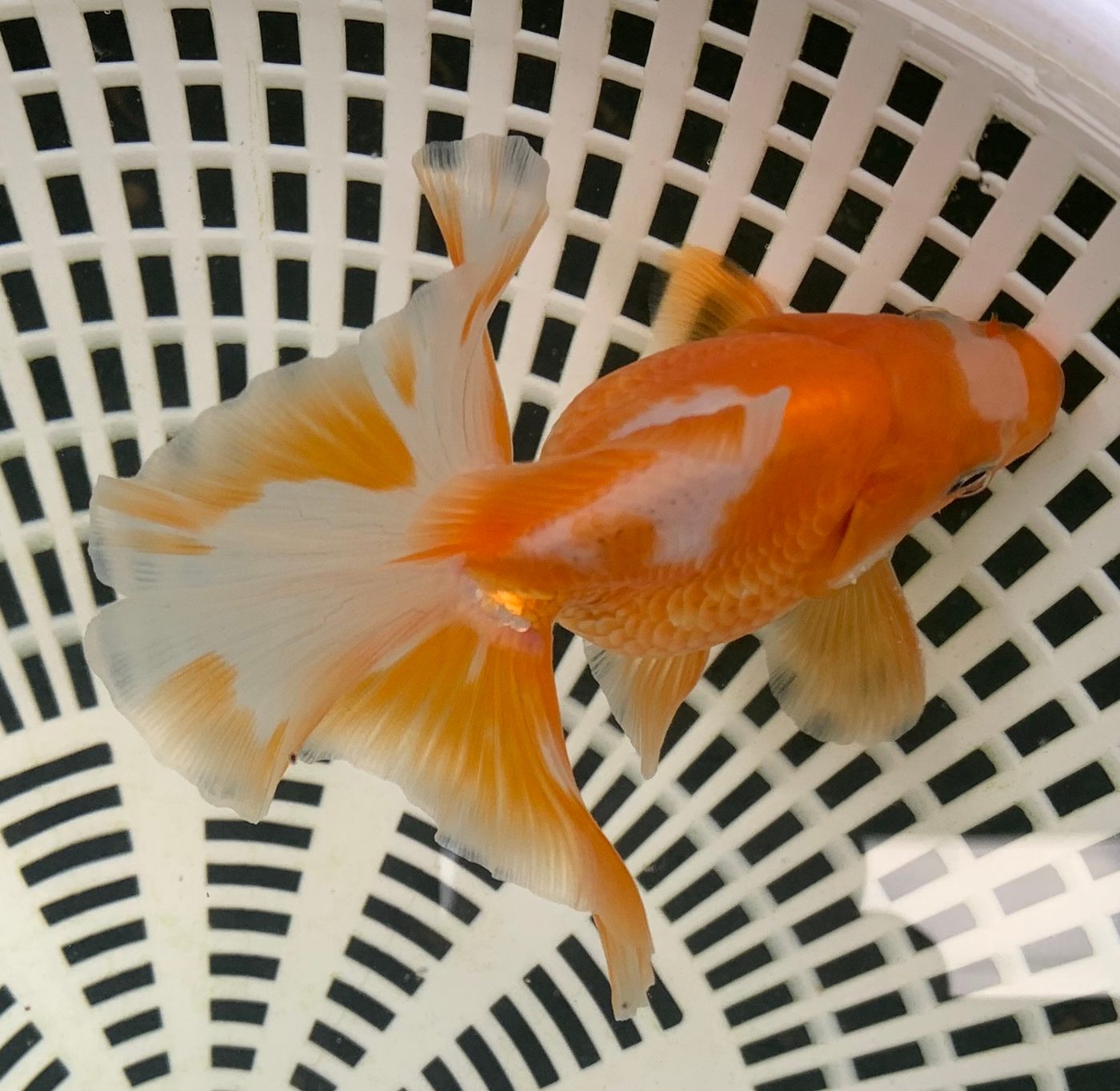
A flower on a bag of fish food
David is originally from Colombia, and his start with fish is a familiar story. As kids, they caught guppies in the creeks and streams. One kid in town had a 10-gallon tank. “The water was so green it looked like paint and you could see little red fish swimming up to the glass.”
David came to the U.S. in 1987, and by 1992 he was working as a delivery driver in Manhattan. He was not keeping fish at the time, but one day a coworker came in to work with a broken 10-gallon aquarium. They took the tank to a glass shop and got it repaired, and then they started stopping at pet shops on their routes around the city. On one of those trips, David noticed the beautiful image on that Hikari bag. He did not know it was fish food. At first glance, he thought it was a flower and the pellets might be seeds. After studying it for a while, he realized it was a fish.
David started collecting goldfish books, and it was in Matsui’s goldfish guide that he learned the fish was a Tosakin. He had to have this fish. It had begun: two months later he had a 30-gallon tank full of goldfish, and a few years later, a dining room full of fish tanks.
Letters to Japan, and a lot of faxes
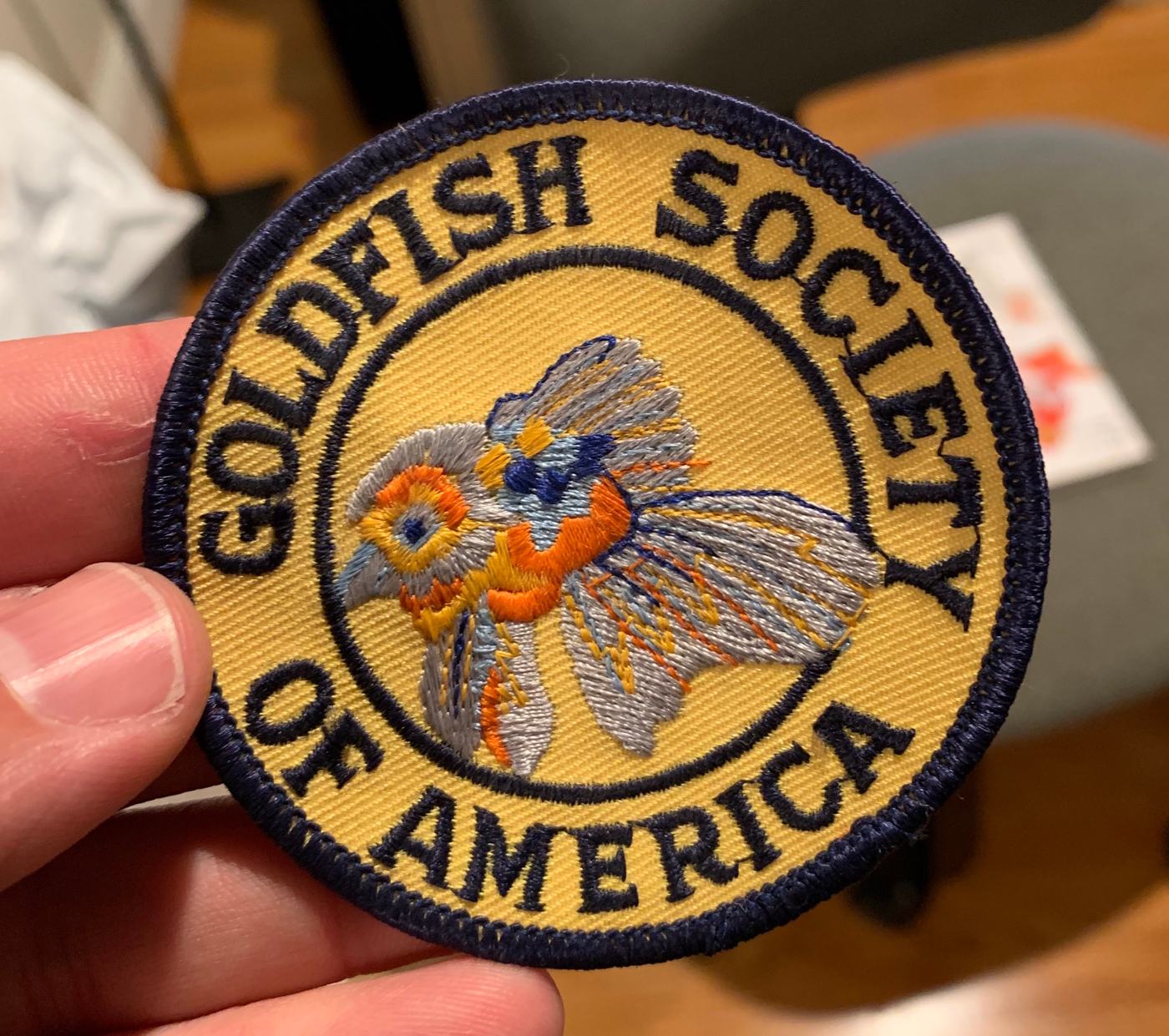
Around 1994 or 1995, David’s hunt for the Tosakin led him to join the Goldfish Society of America. He started putting in legwork that was a lot harder without a search engine at your fingertips. He contacted every distributor he could, as well as the chairman of the Goldfish Society of America. The chairman put him in touch with John Arellano in Los Angeles, who used to keep Tosakin. John did not have Tosakin anymore, but he was willing to mail (not email) David some goldfish magazines and books he had from Japan. David made copies and mailed them back.
In those magazines, he found a new lead: addresses for goldfish clubs in Japan. In Japan, they take goldfish keeping very seriously. There are clubs dedicated to perfecting specific varieties, led by master breeders with decades of experience. David sent letters to seven goldfish clubs and waited.
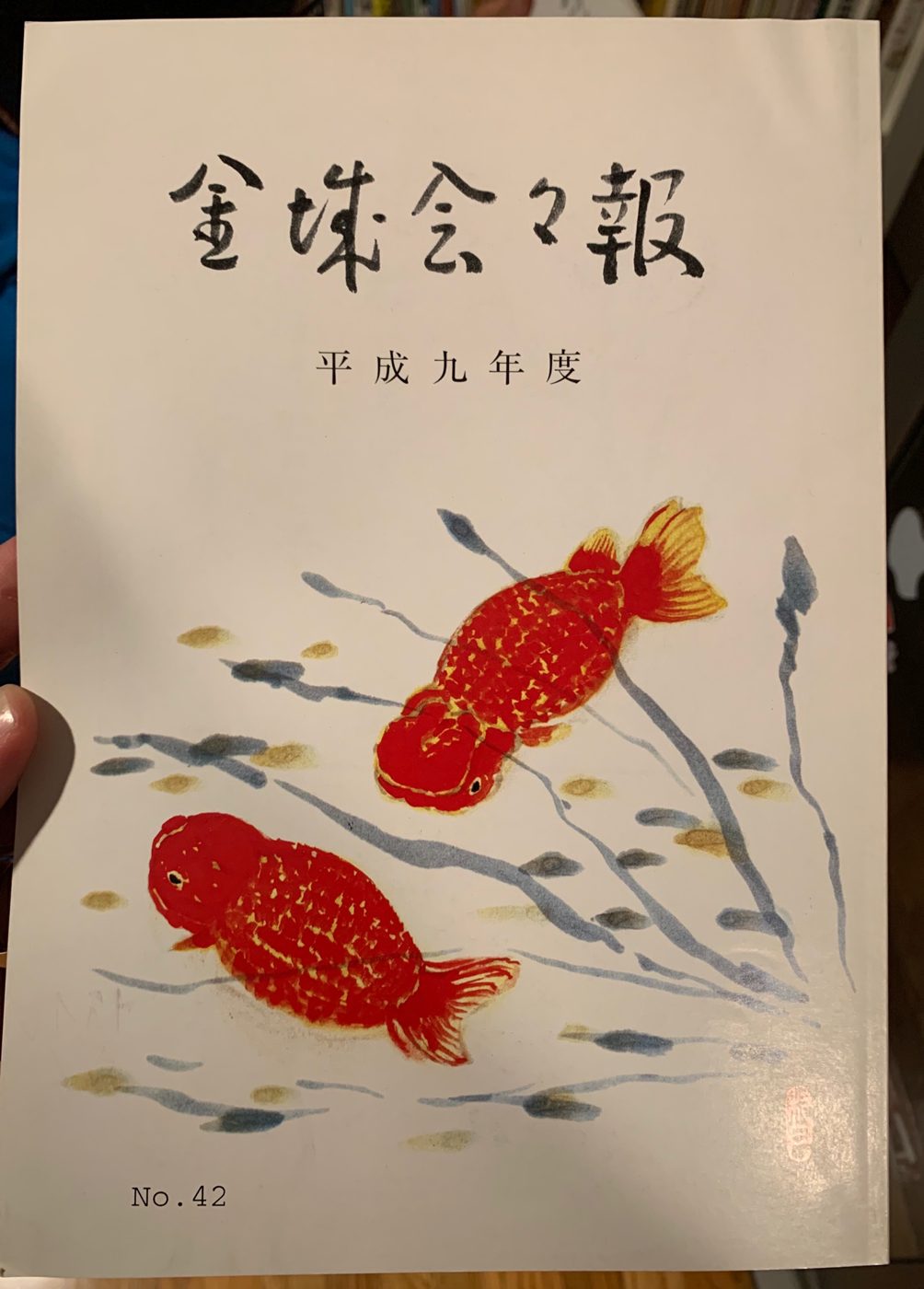
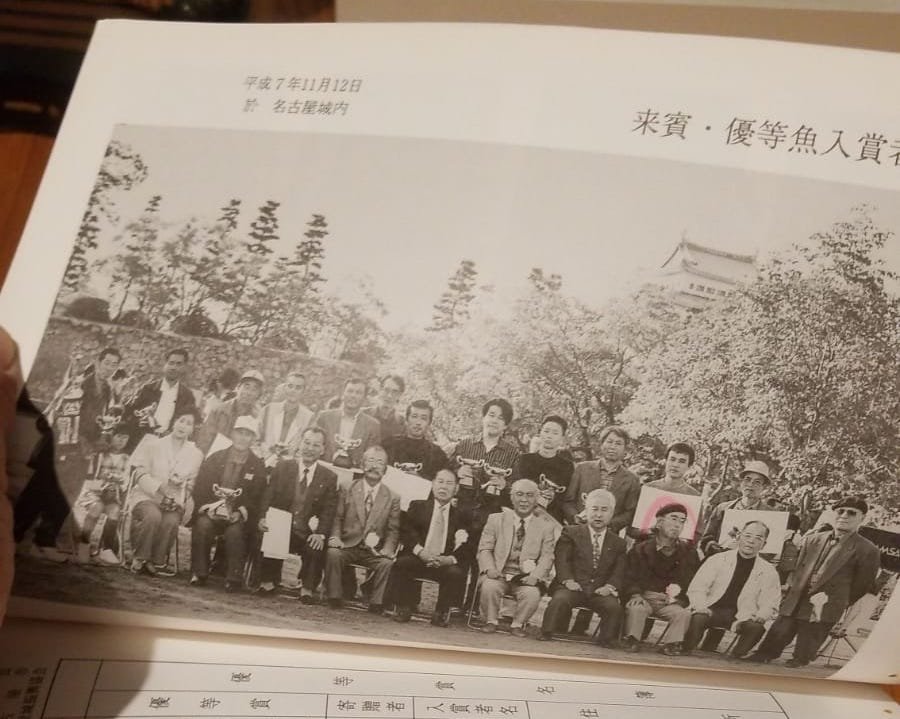
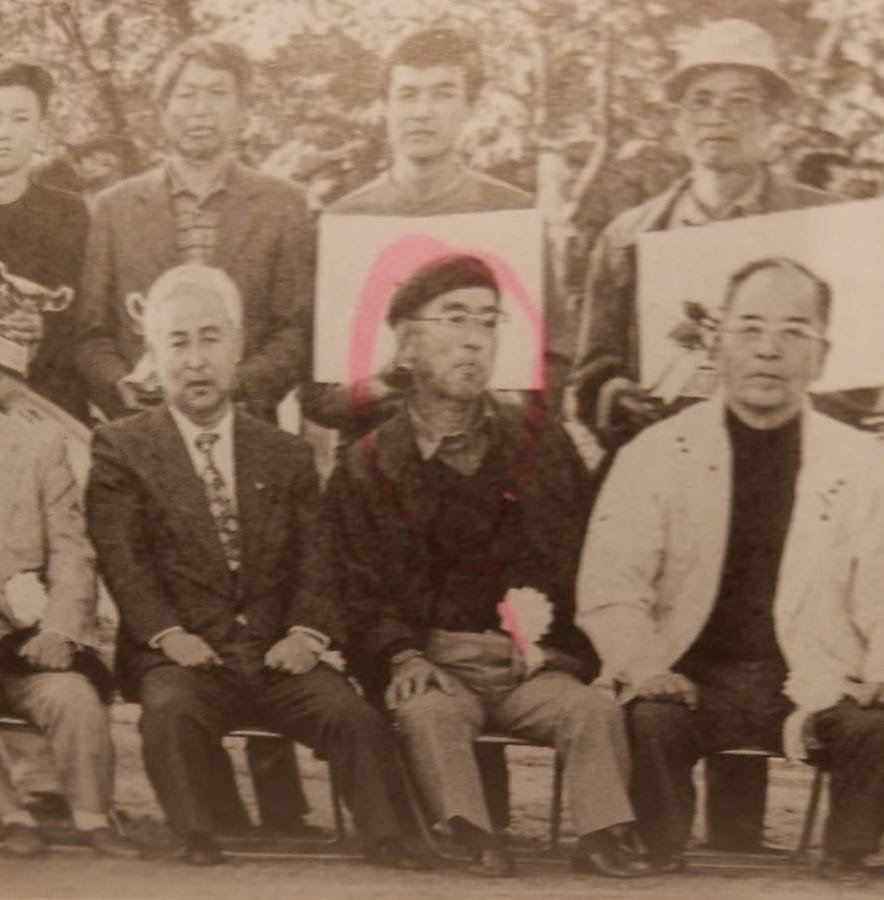
In 1997, he got a response from Sadaaki Wakabayashi, the chairman of the Toyohashi City Goldfish Association in Aichi Prefecture. The association raised Ranchu, Jikin, Nankin, and Tosakin. Wakabayashi was honored that David was interested in his fish, and, working through translators, they started corresponding regularly, by fax.
For those of you too young to know what a fax machine is: it is like a telephone that takes a picture of your document, converts it to sounds, and sends it over a phone line to the recipient’s fax machine, which converts the sounds back into an image and prints it out. On paper. They faxed two to three times a week, and at one point they even found a friend of a friend who spoke Japanese and arranged a phone call, which was not easy given the time difference and the fact that they were coordinating it by fax. Wakabayashi sent David books on Tosakin, Jikin, and Ranchu. Before he would send any fish, he wanted to be certain they would be safe.
Keeping the line
The two of them corresponded for years and eventually came up with a plan to ship fish to David. The fish flew from Nagoya to South Korea, to Los Angeles, and finally to New York. Shipping cost $1,800 at the time. They coordinated three shipments in total, and not just Tosakin: Wakabayashi sent Tosakin, Jikin, Ranchu, and Nankin.
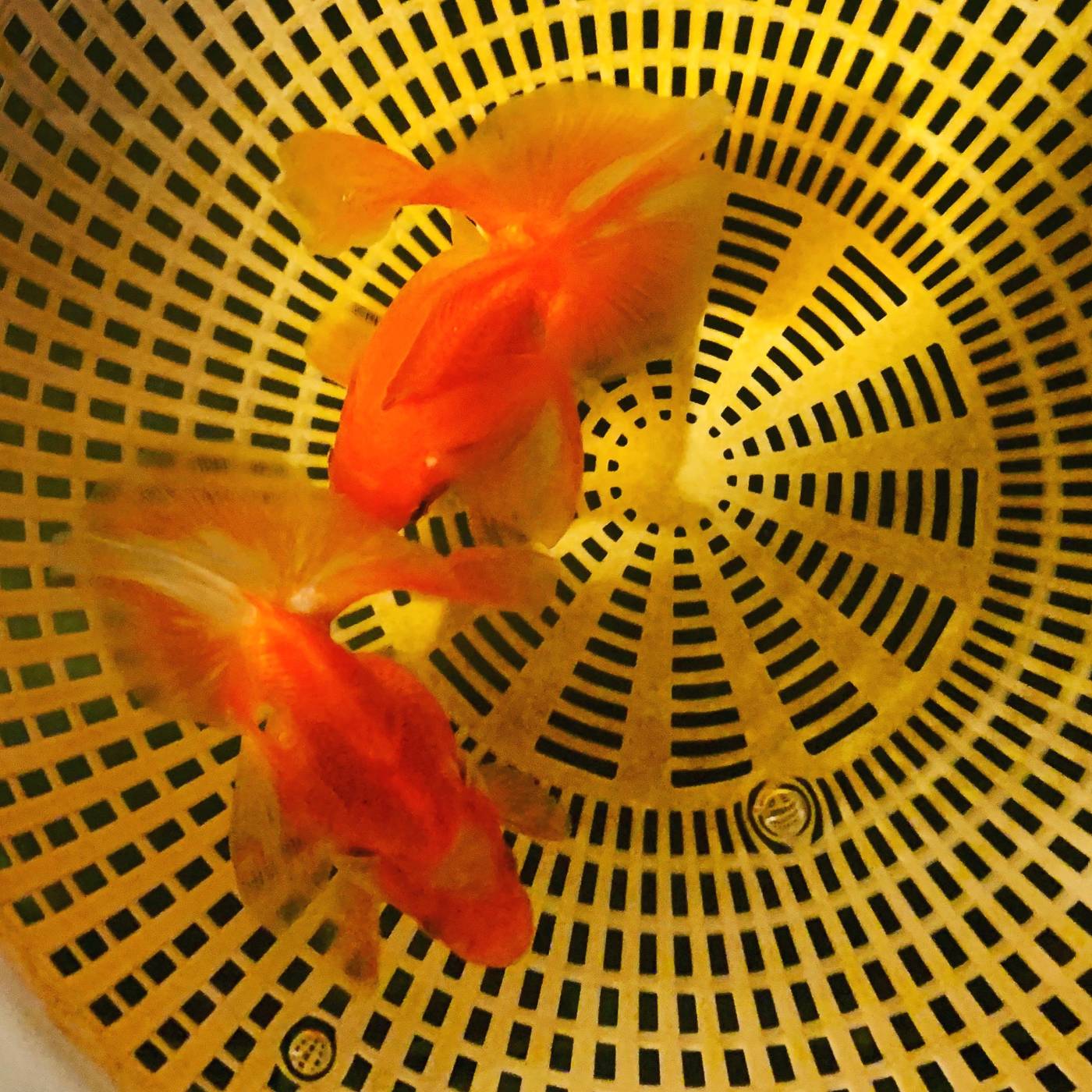
David kept those lines going for years but eventually lost all but the Tosakin. In 2006, he decided that if he did not get serious, he was going to lose these fish too, and he refocused on his line breeding. When you have a limited number of fish to work with, you split the offspring into multiple lines, A and B, for example. You keep crossing As with As and Bs with Bs, fixing the traits you want in each line. Before the negative effects of line breeding start to show, you cross fish from line A with fish from line B, which are now different enough to add some genetic moxie back into the line. David has kept this line of Japanese Tosakin going since the late 1990s.
The visit
David and I have stayed in touch since my first order, and he is happy to offer advice when I have questions or problems. I even got to visit when I was in the area. Like other hobbyist breeders, he makes use of the space he has: tanks in the basement floor to ceiling, different generations of fish everywhere you look, ponds outside, and nets, bowls, colanders, and kit organized on heavy-duty shelving.
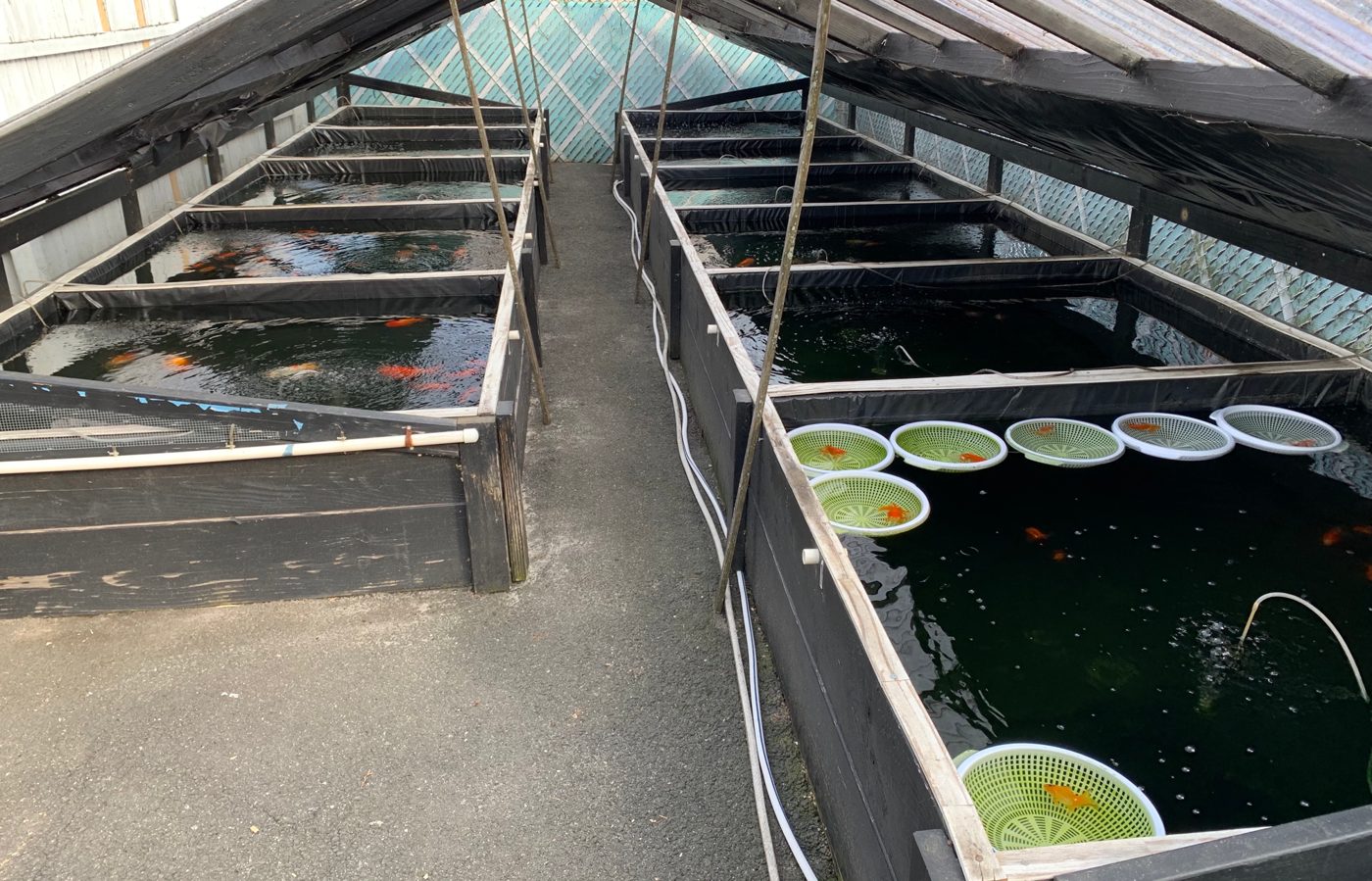
This hobby lets people from any background bond over a shared interest. The Tosakin in my tanks carry the same genes as the fish in David’s tanks, in Wakabayashi’s before him, and in who knows how many friends’ and ancestors’ before him. I now have a chance to be part of something really special, thanks to David’s tenacity, dedication, and stewardship.
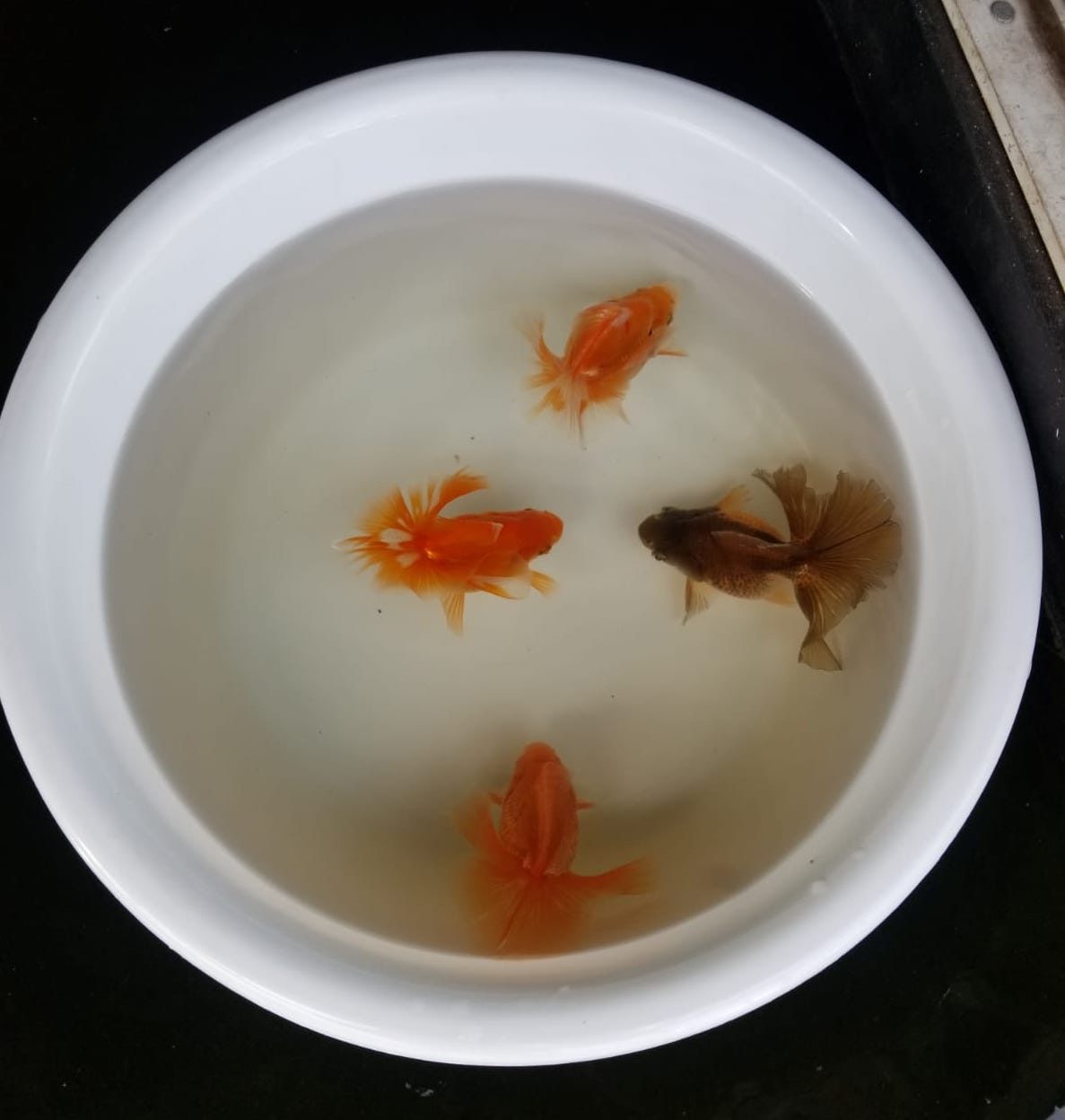
More on this variety: Tosakin parts and the ideal circle · Ranchu · Variety tree